Introduction
At VIPL Group, we understand that accurate measurement is essential for maintaining product quality, operational efficiency, and safety across industries. From manufacturing and engineering to laboratories and healthcare, businesses rely on measuring instruments to make important decisions every day. Even a small measurement error can lead to product defects, production losses, and quality issues.
Through our calibration services, we help businesses evaluate the accuracy and performance of their measuring instruments. In this blog, we explain why instrument calibration is important, the different types of calibration, and how regular calibration supports industrial quality and reliability.
What Is Instrument Calibration?
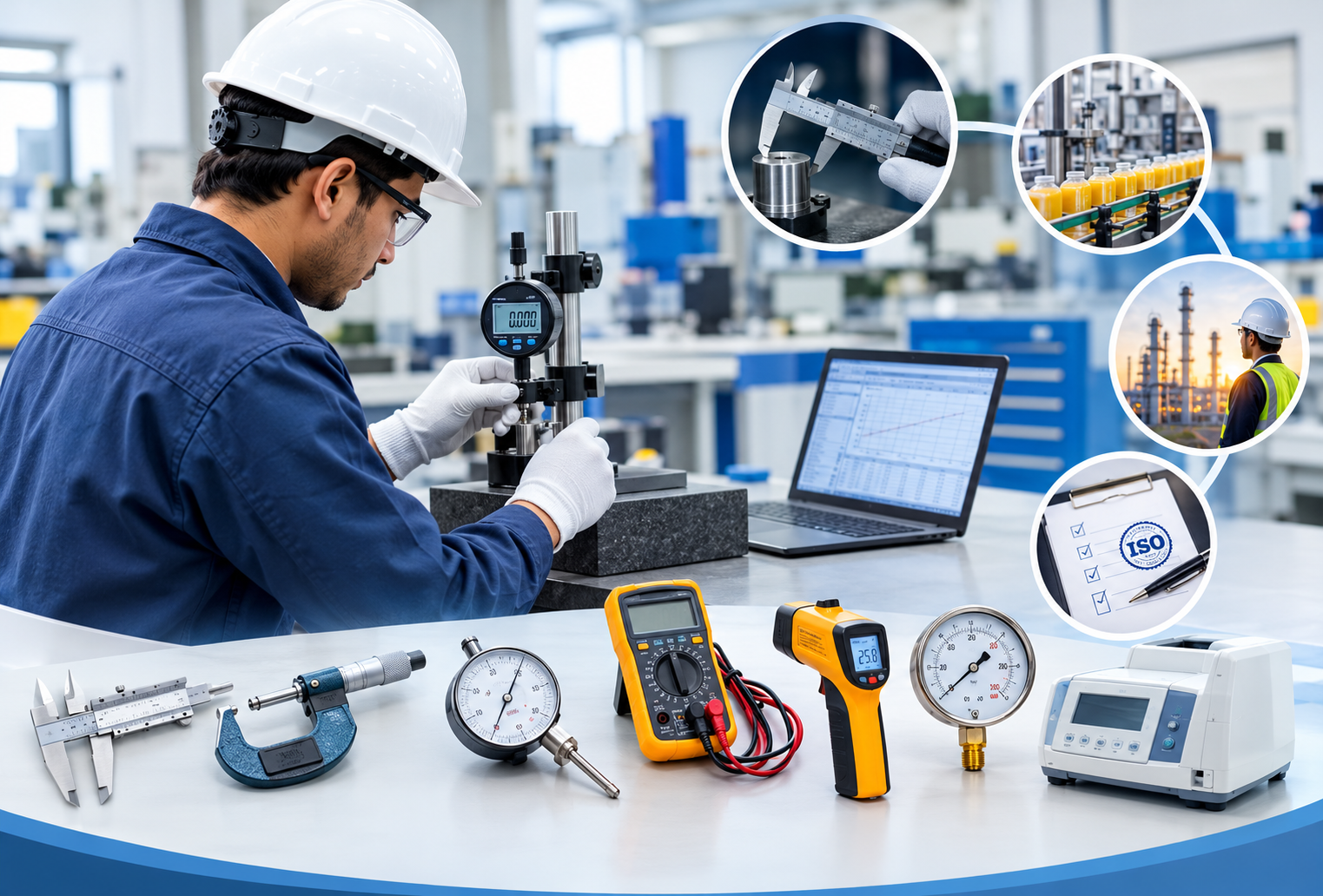
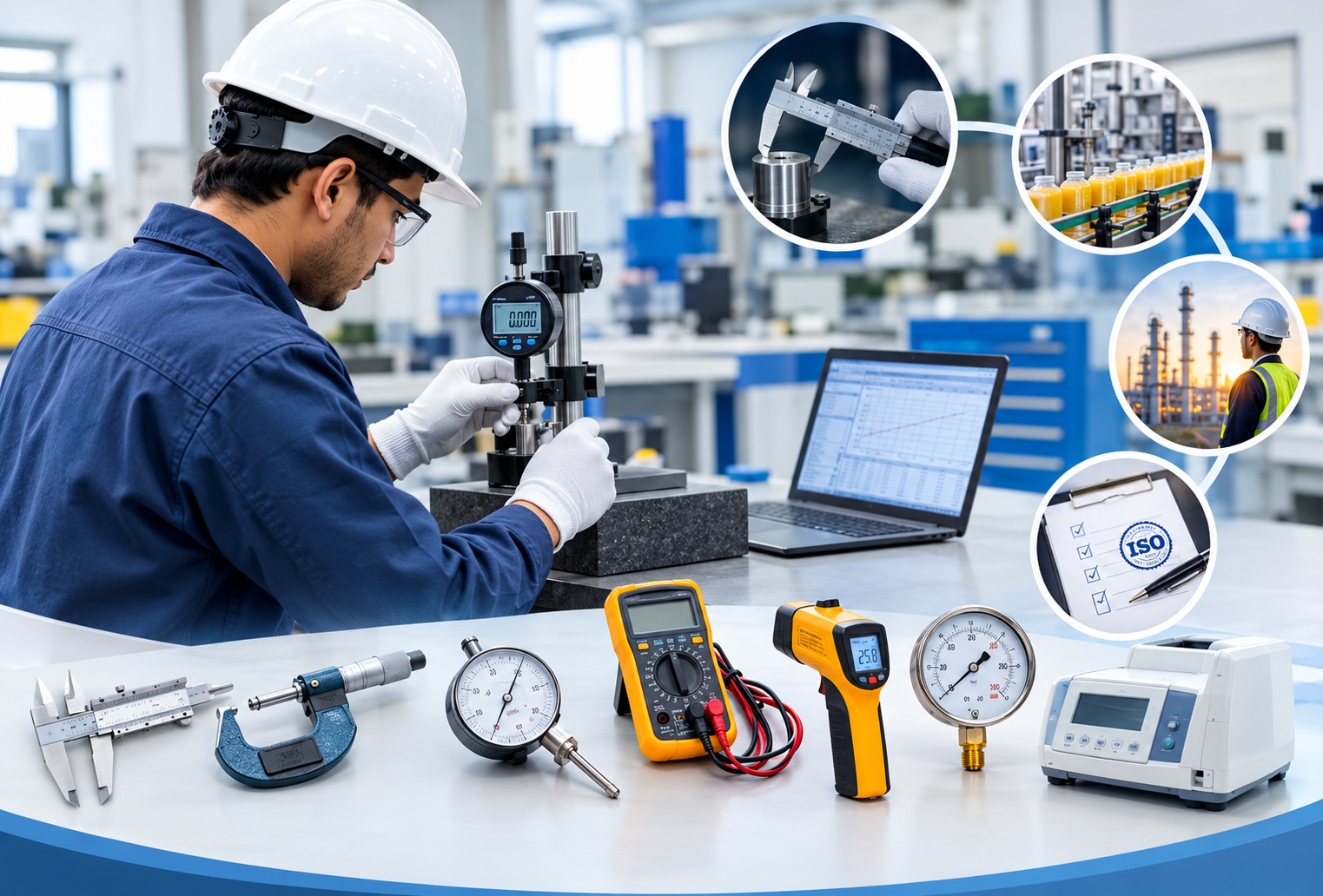
Instrument calibration is the process of comparing the readings of a measuring instrument against a reference standard with known measurement characteristics under specified conditions. This comparison helps determine whether the instrument is performing within its required tolerance.
At VIPL Group, we recognize calibration as an important part of measurement quality management. It helps identify deviations in instrument readings and provides information that businesses can use to decide whether adjustment, repair, or further evaluation is required.
Common instruments that require calibration include pressure gauges, temperature sensors, weighing balances, micrometers, vernier calipers, electrical testing equipment, and other industrial measuring devices.
Why Is Instrument Calibration Important for Industries?
Industries depend on reliable measurements to maintain consistent production processes and meet customer expectations. Here are the key reasons we consider calibration essential for industrial operations.
1. Maintaining Measurement Accuracy
Accurate measurements are fundamental to industrial quality control. When instruments provide incorrect readings, businesses may experience production inconsistencies and product defects.
Regular calibration helps evaluate instrument performance and identify measurement deviations. At VIPL Group, we understand the importance of reliable measurement results in helping industries make informed decisions about their equipment.
2. Improving Product Quality
Product quality depends on measurements being within specified limits. In manufacturing, even a small dimensional or temperature variation can affect the final product.
Calibration supports quality assurance by helping businesses verify that their measuring instruments remain suitable for their intended applications. This contributes to consistent production and improved confidence in measurement results.
3. Reducing Production Errors and Wastage
Incorrect measurements can result in rejected products, repeated production work, unnecessary material consumption, and increased operating costs.
By including calibration in their equipment maintenance and quality control programs, businesses can identify potential measurement problems and take corrective action when necessary. This helps reduce avoidable errors and supports more efficient production processes.
4. Supporting Safety and Reliable Operations
Many industrial processes depend on accurate pressure, temperature, electrical, and other critical measurements. Unreliable readings may affect process control and equipment operation.
Appropriate calibration helps businesses evaluate the performance of these instruments and maintain dependable measurement systems. The required calibration frequency should reflect the equipment's intended use, operating environment, and associated risks.
5. Supporting Quality Standards and Audits
Businesses operating under quality management systems may need documented calibration records to demonstrate that their measuring equipment is appropriately controlled.
We recognize the importance of calibration documentation in supporting customer requirements, internal quality checks, and applicable audits. Where accreditation is required, businesses should verify that the calibration laboratory's accredited scope covers the specific instrument and measurement range.
What Types of Instruments Require Calibration?
At VIPL Group, we provide calibration-related services across different technical areas. The appropriate calibration method depends on the instrument, its application, and the required measurement range.
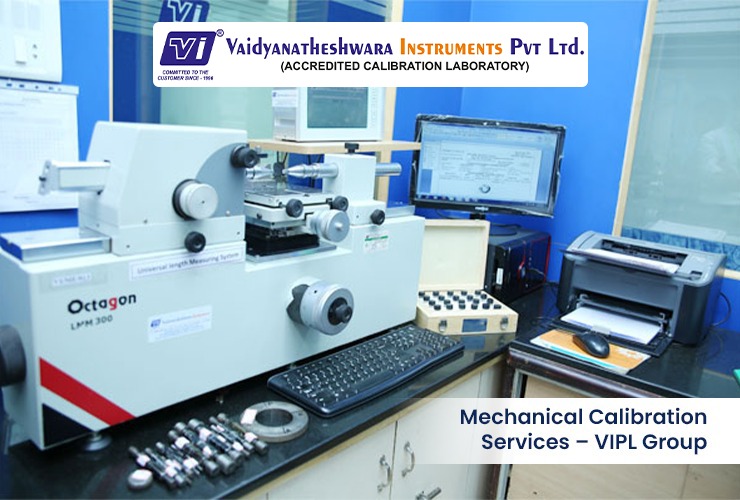
1. Mechanical Instrument Calibration
Mechanical measuring instruments are widely used in manufacturing, fabrication, construction, and engineering applications.
Examples include:
- Vernier calipers
- Micrometers
- Dial gauges
- Bore gauges
- Height gauges
- Other dimensional measuring instruments
Mechanical instrument calibration helps evaluate measurement performance and supports reliable dimensional inspection.
2. Electrical Instrument Calibration
Electrical instruments are used to measure voltage, current, resistance, and other electrical parameters. Accurate readings are important for electrical testing, maintenance, and industrial process monitoring.
Examples include:
- Digital multimeters
- Electrical meters
- Clamp meters
- Electrical testing instruments
Calibration helps verify instrument readings against suitable reference standards.
3. Thermal Instrument Calibration
Temperature measurement plays an important role in manufacturing, laboratories, pharmaceutical production, and other temperature-sensitive processes.
Common thermal instruments include:
- Thermometers
- Temperature sensors
- Temperature indicators
- Temperature controllers
Thermal calibration helps businesses assess measurement performance and maintain better control over temperature-dependent processes.
4. Pressure and Related Instrument Calibration
Pressure measuring devices are used in industrial plants, process systems, and equipment monitoring applications.
Examples include pressure gauges, pressure transmitters, and suitable vacuum measuring instruments.
Calibration helps identify deviations in pressure readings and supports reliable process monitoring.
5. Biomedical Instrument Calibration
Healthcare facilities depend on medical equipment that provides reliable measurements for its intended purpose. Appropriate calibration and performance verification help assess the accuracy and functionality of relevant biomedical measuring devices.
The specific procedure depends on the equipment type, manufacturer requirements, and applicable technical standards.
6. On-Site Calibration Services
We understand that transporting instruments to an external laboratory may not always be convenient for industrial facilities. On-site calibration can provide a practical option for suitable instruments and measurement requirements.
Our on-site calibration service offering allows businesses to explore calibration at their premises, subject to equipment suitability, technical capabilities, and applicable requirements.
How Often Should Industrial Instruments Be Calibrated?
One common question we encounter in discussions about calibration is how frequently measuring instruments should be calibrated.
There is no universal interval for every instrument. The appropriate schedule depends on several factors:
- Manufacturer recommendations and technical specifications.
- Frequency of use and operating conditions.
- Required measurement accuracy and permitted tolerances.
- Previous calibration results and equipment history.
- Applicable regulations, customer requirements, and quality procedures.
Some instruments may be calibrated annually, while critical equipment may require more frequent calibration. We recommend that businesses establish suitable calibration intervals based on risk, instrument performance, and documented quality procedures rather than applying the same schedule to every device.
Recalibration may also be necessary following repair, adjustment, suspected damage, or an unexpected performance issue.
What Is the Difference Between Calibration and Repair?
Calibration and repair serve different purposes in equipment management.
Calibration evaluates an instrument's measurement performance by comparing it with appropriate reference standards. Repair addresses faults, damage, or malfunctioning components.
An instrument may pass calibration without requiring any adjustment. If calibration identifies an unacceptable deviation, the equipment may need adjustment or repair, followed by appropriate verification or recalibration before it is returned to service.
At VIPL Group, we recognize the importance of identifying the correct course of action based on the instrument's condition and technical requirements.
How to Choose the Right Calibration Service Provider
Selecting a suitable calibration provider is important for maintaining measurement reliability and meeting quality requirements. We encourage businesses to consider the following factors when evaluating calibration services.
Technical expertise: Choose a provider with relevant experience in the type of instrument that requires calibration.
Accreditation and scope: If accredited calibration is required, verify the laboratory's accreditation and confirm that the specific measurement, range, and instrument fall within its accredited scope.
Measurement traceability: Understand how calibration results are related to appropriate measurement references and standards.
Calibration documentation: Check whether the provider supplies suitable calibration certificates and relevant measurement results.
Service availability: Determine whether laboratory-based or on-site calibration is appropriate for your equipment.
Turnaround time: Consider the time required for calibration and how it may affect your production schedule.
After-service support: Look for clear communication about calibration results, equipment deviations, and any further action that may be necessary.
Evaluating these factors helps businesses select calibration services that match their operational and technical requirements.
Why Choose VIPL Group for Instrument Calibration Services?
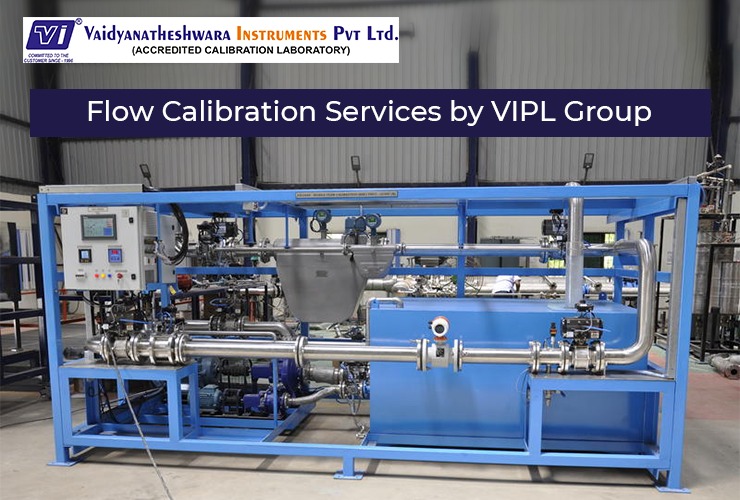
At VIPL Group, we understand the role that accurate measurements play in industrial quality, equipment performance, and process reliability. Our service offerings cover multiple technical areas, including mechanical, electro-technical, thermal, biomedical, civil-related, and on-site calibration, along with repair facilities.
We aim to help businesses identify suitable technical services for their measurement and equipment requirements. Whether your organization needs calibration support for manufacturing instruments, electrical testing equipment, temperature measuring devices, or other applicable instruments, we encourage you to explore our service offerings and discuss your specific requirements with our team.
To learn more about our services,
visit our official website: https://viplgroup.com/index.html
Frequently Asked Questions About Instrument Calibration
1. What is the main purpose of instrument calibration?
The main purpose of instrument calibration is to evaluate a measuring instrument's performance by comparing its readings with appropriate reference standards. This helps identify measurement deviations and determine whether further action is required.
2. Why is calibration important in manufacturing industries?
Calibration supports accurate measurements, consistent product quality, effective quality control, and the identification of potential measurement errors. It also helps businesses maintain appropriate equipment records.
3. What instruments need regular calibration?
Instruments such as micrometers, vernier calipers, pressure gauges, thermometers, electrical meters, weighing balances, and other measuring devices may require regular calibration depending on their applications and quality requirements.
4. How do I know whether an instrument needs recalibration?
Recalibration may be required when the scheduled interval arrives, after repair or adjustment, following suspected damage, or when performance checks indicate that the instrument may not be operating within the required tolerance.
5. What is ISO/IEC 17025?
ISO/IEC 17025 specifies requirements for the competence, impartiality, and consistent operation of testing and calibration laboratories. When accredited calibration is required, businesses should check the laboratory's specific accreditation scope.
6. Can industrial instruments be calibrated on-site?
Yes. On-site calibration is available for suitable instruments when the required equipment, reference standards, environmental conditions, and technical procedures can be provided at the customer's premises.
Visit VIPL Group: https://viplgroup.com/index.html